A photographer and journalist bringing your stories to life -with a creative eye and genuine care.
Journalism Project: Multi Media Story
Scroll
From land to sea: Who protects Race Rocks?
By Abby Francis and Richard Davis | April 11, 2023
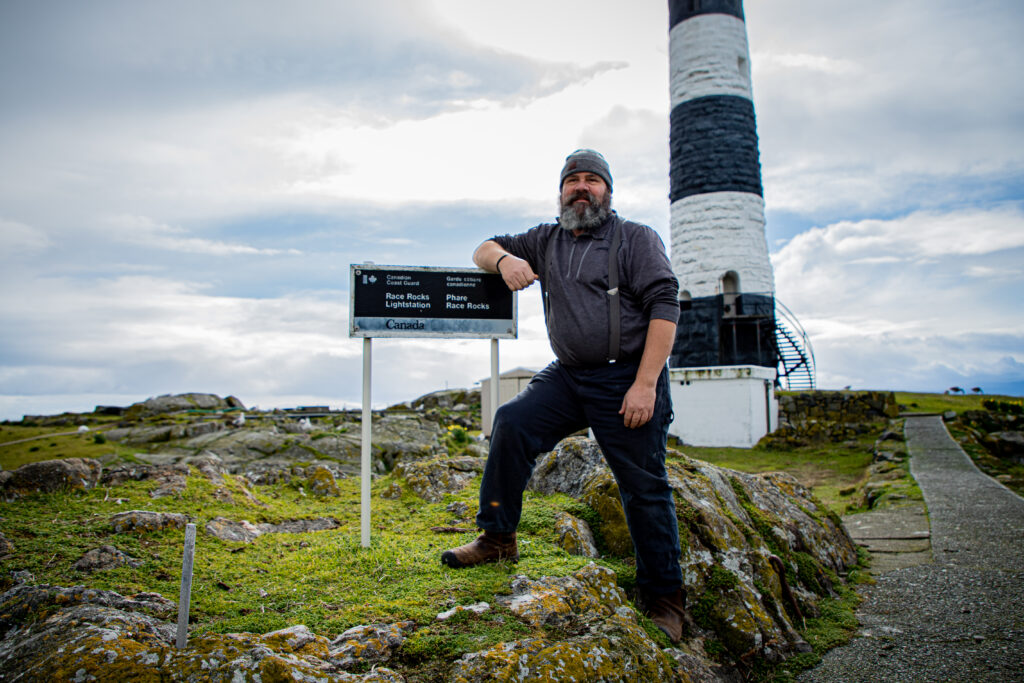
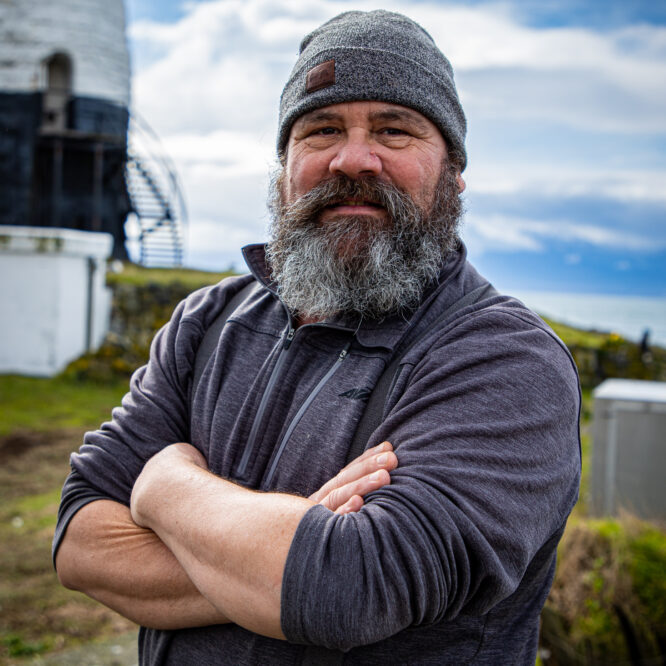
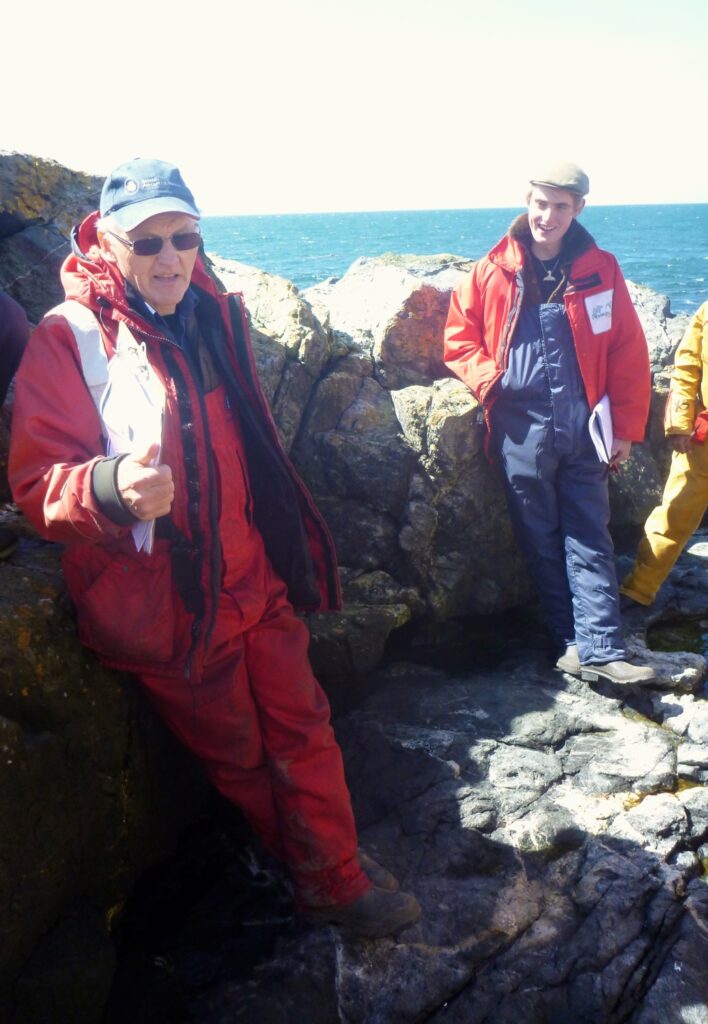
Standing in the wind on rocky terrain in his toque and muddy boots is Derek Sterling, an eco guardian of the Race Rock Ecological Reserve. He watches as the waves of the second most dangerous current in B.C. meet with the powerful 42 km/hour wind.
“I’ve watched more than once, there’s a place over between the rocks where at a certain level tide and a certain wind – you’ll get what’s called a ‘standing wave’ – it’s a wave that doesn’t move forward or backwards and you’ll watch the sea lions race out into it and surf back and forth,” said Sterling. He said around eight to 10 sea lions will be out playing during these times, diving through the waves.
Although the eco guardian job requires a lot of labour, there is always time for a relaxing walk around the rock.
Sterling has been at Race Rocks for almost six months. As an eco guardian, he has a variety of tasks to complete each day – from checking the desalinator to the daily morning walk-about to check up on the dozens of different marine life.
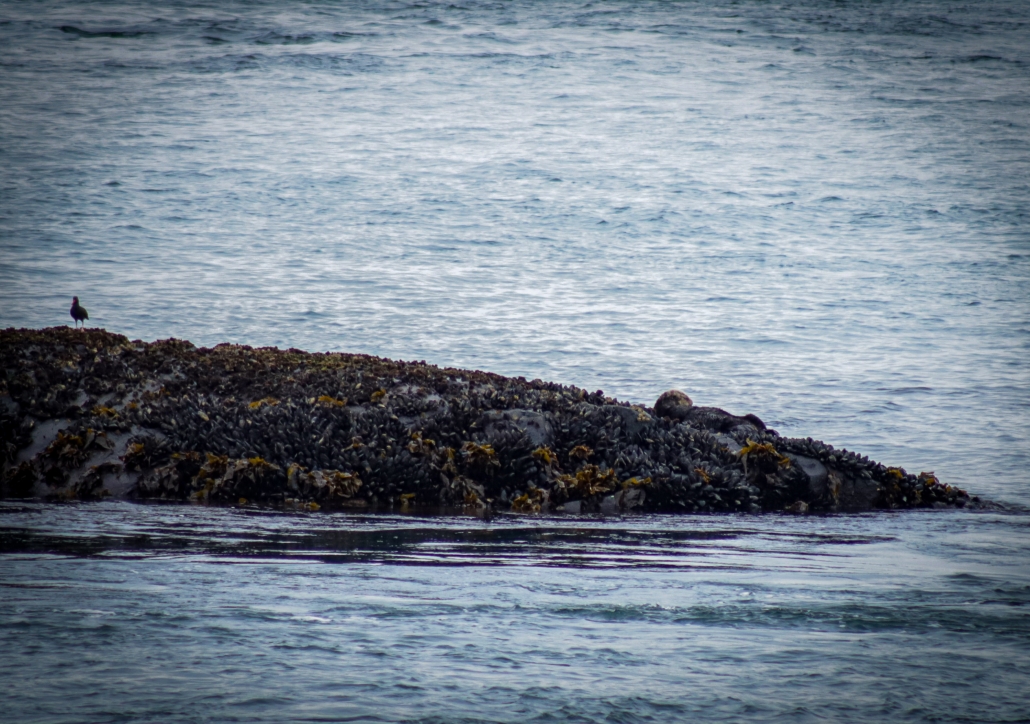
One of these mammals is Ollie the sea otter. Sterling said Ollie is the only sea otter in the entire area of the southern Salish Sea. As an observer of the area, Sterling said he and other eco guardians have noticed the sea life come back – all thanks to Ollie.
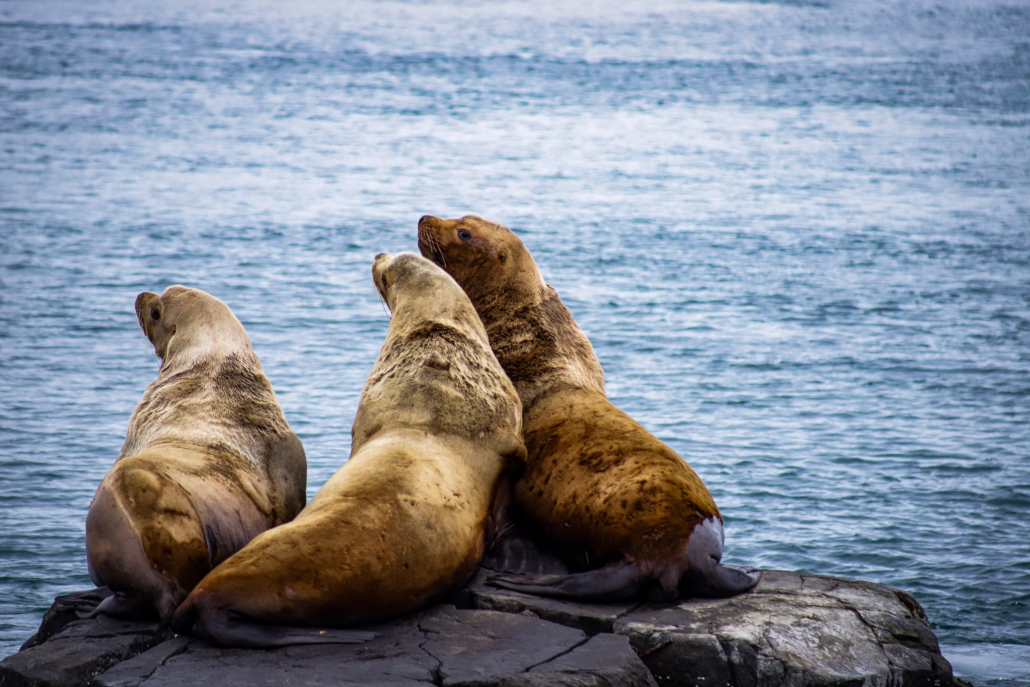
Stellar Sea lions can be found lounging around Race Rocks (Abby Francis Photo)
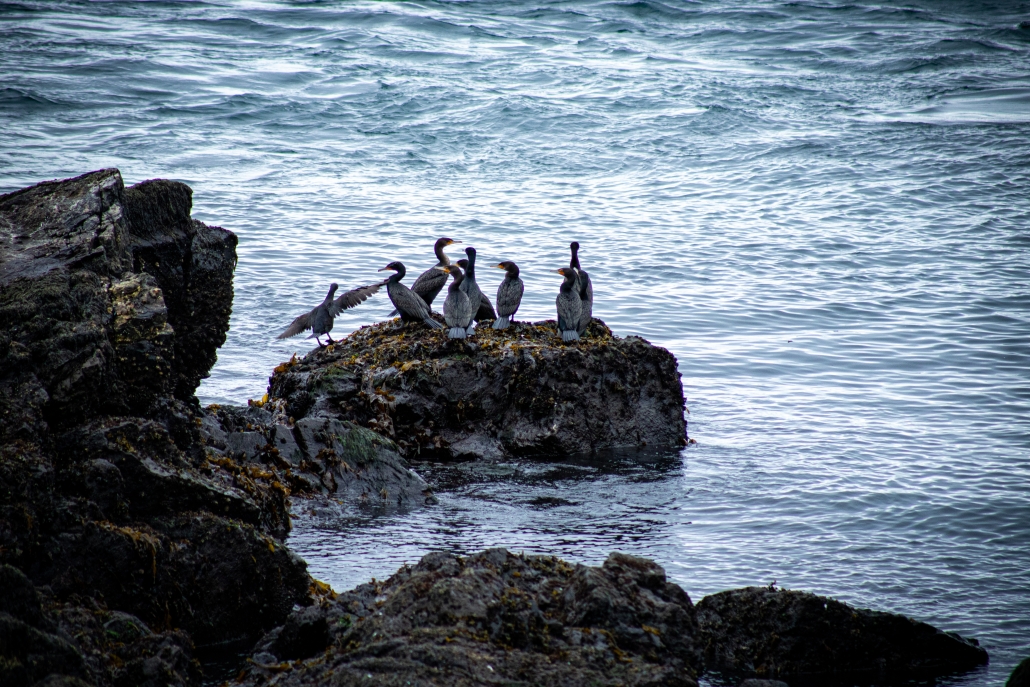
Cormorants, like these Double-crested cormorants can be found all around the ecological reserve. (Abby Francis Photo)
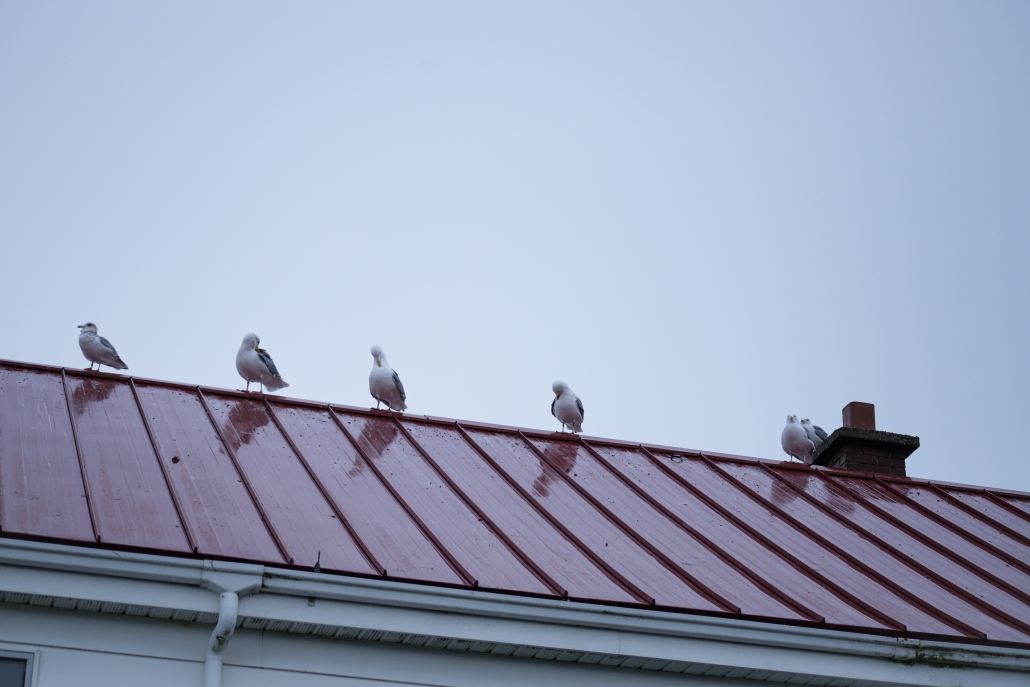
Hundreds of seagulls, like these are all over Race Rocks. (Abby Francis Photo)
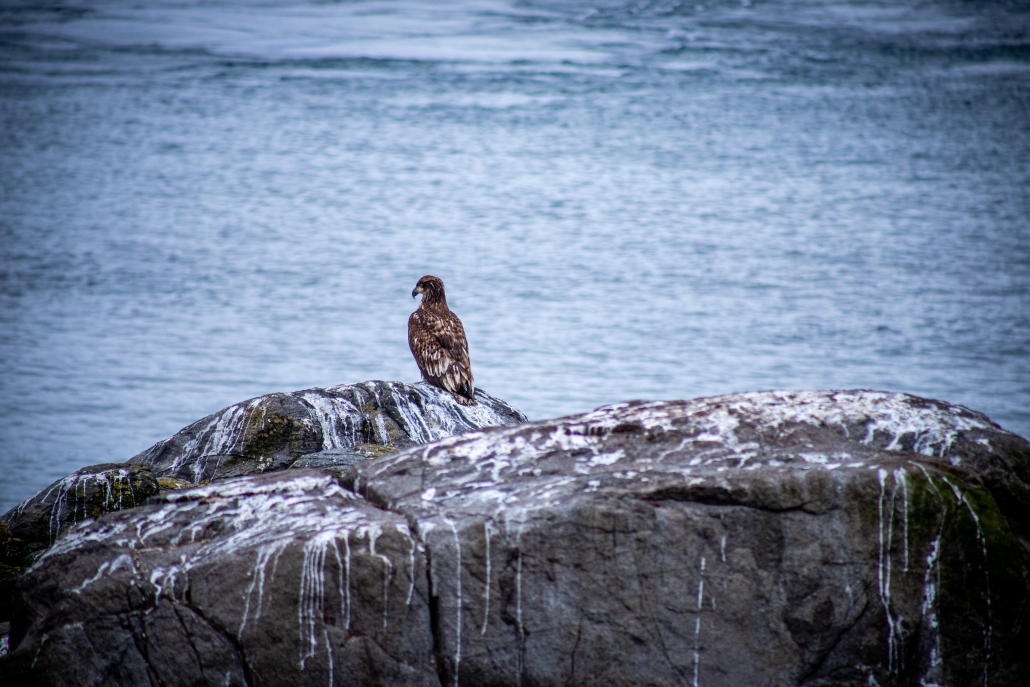
Bald Eagles, such as this young one come to Race Rocks for the plenty of fish and unlucky gulls. (Abby Francis Photo)
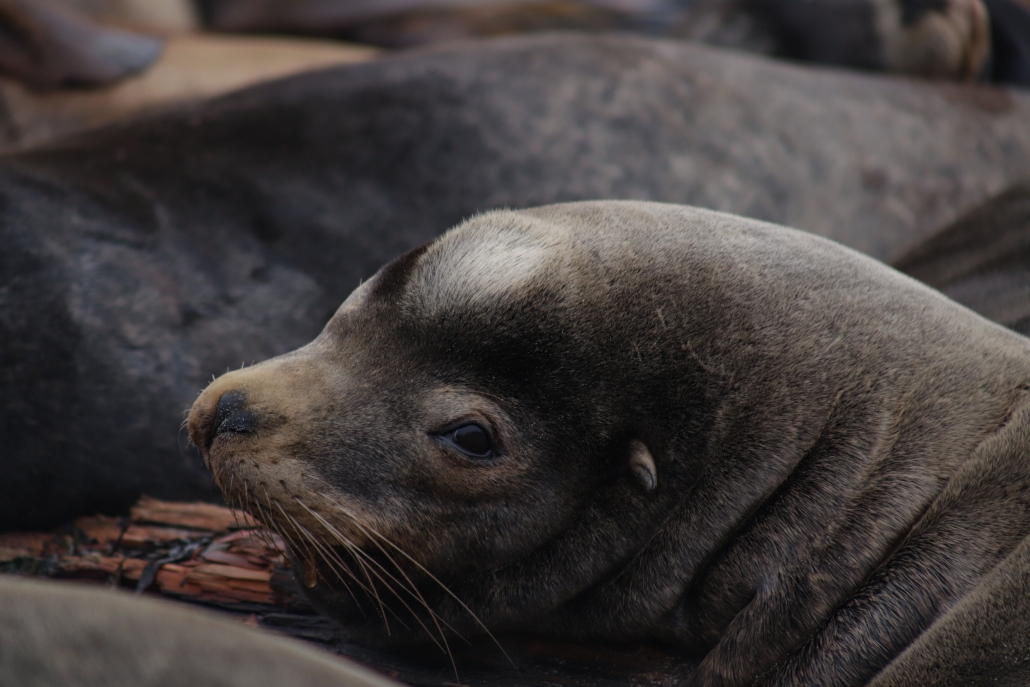
California Sea lions can also be found at Race Rocks. (Abby Francis Photo)
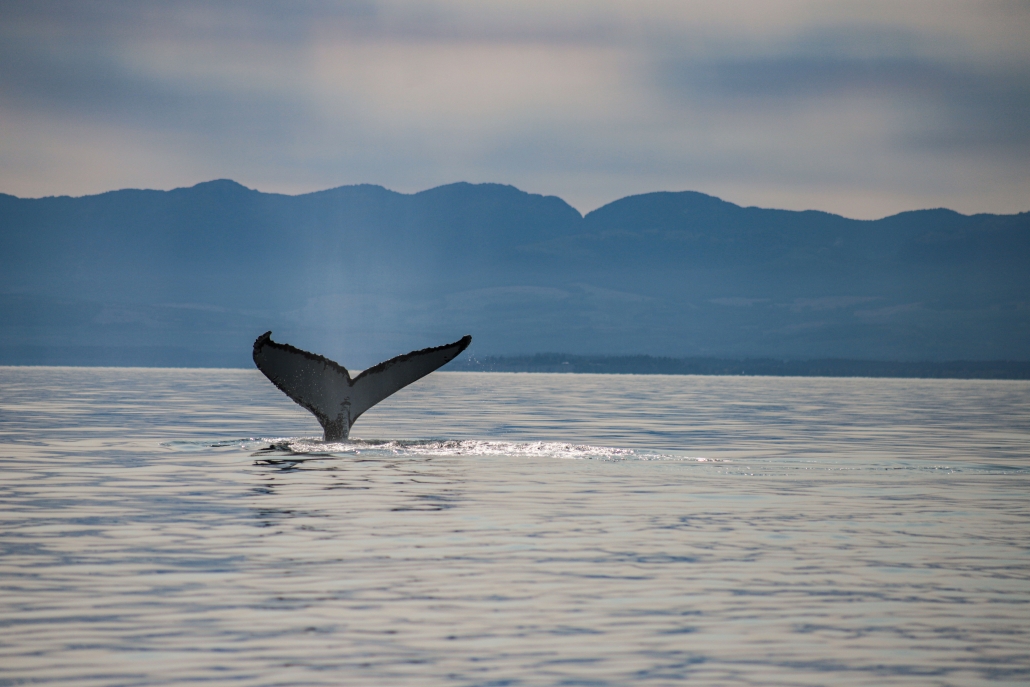
Although not taken at Race Rocks, Humpback whales (Above), Transient Orcas, grey whales, and other large mammals pass through the ecological reserve. (Abby Francis Photo)
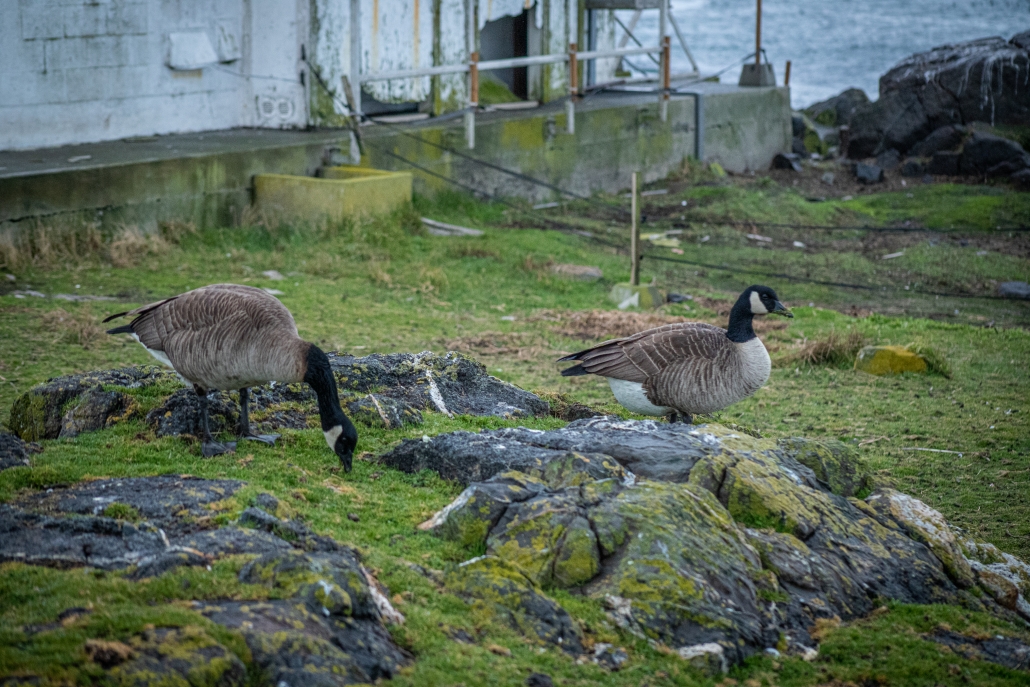
That's right, Canadian Geese love Race Rocks too. (Abby Francis Photo)
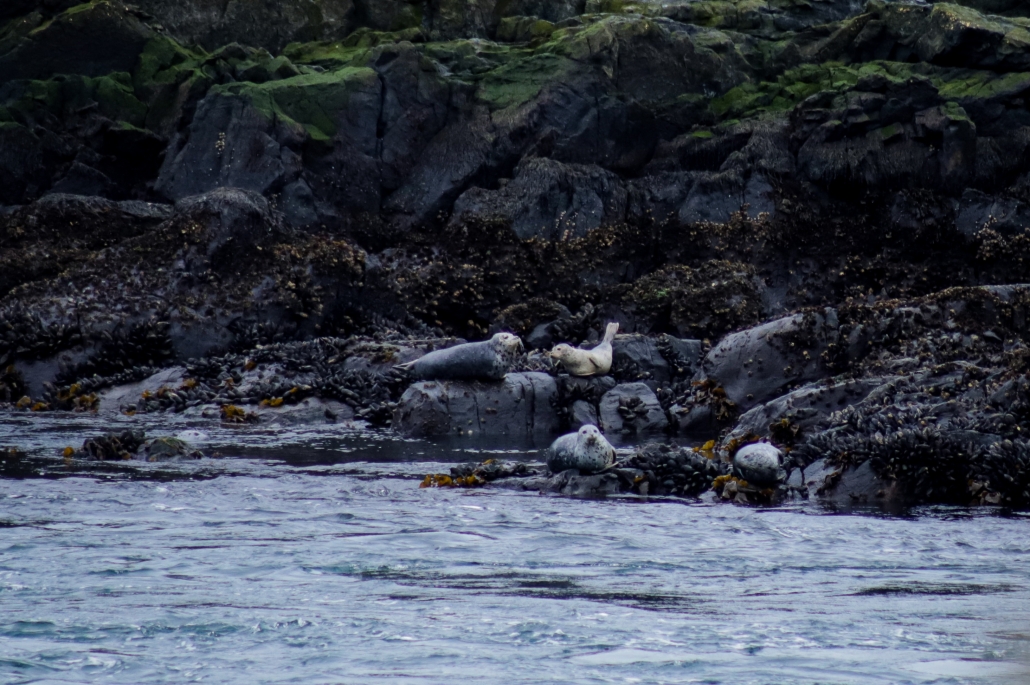
Harbour seals like these, are at Race Rocks too. (Abby Francis Photo)
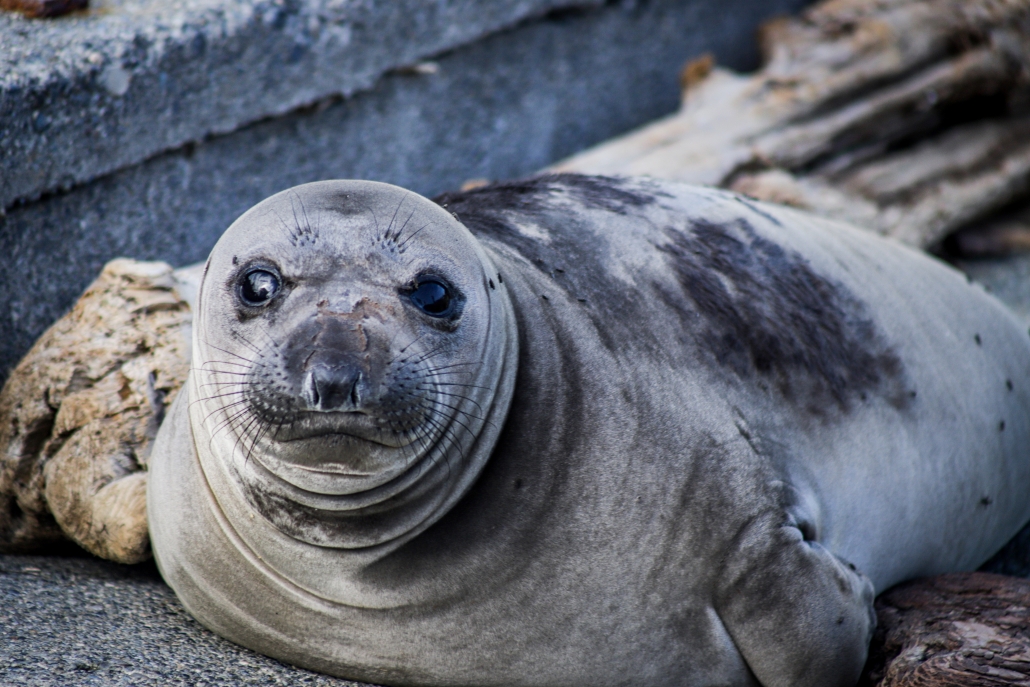
Northern Elephant Seals, like this young one migrate to rocks to give birth. (Abby Francis Photo)
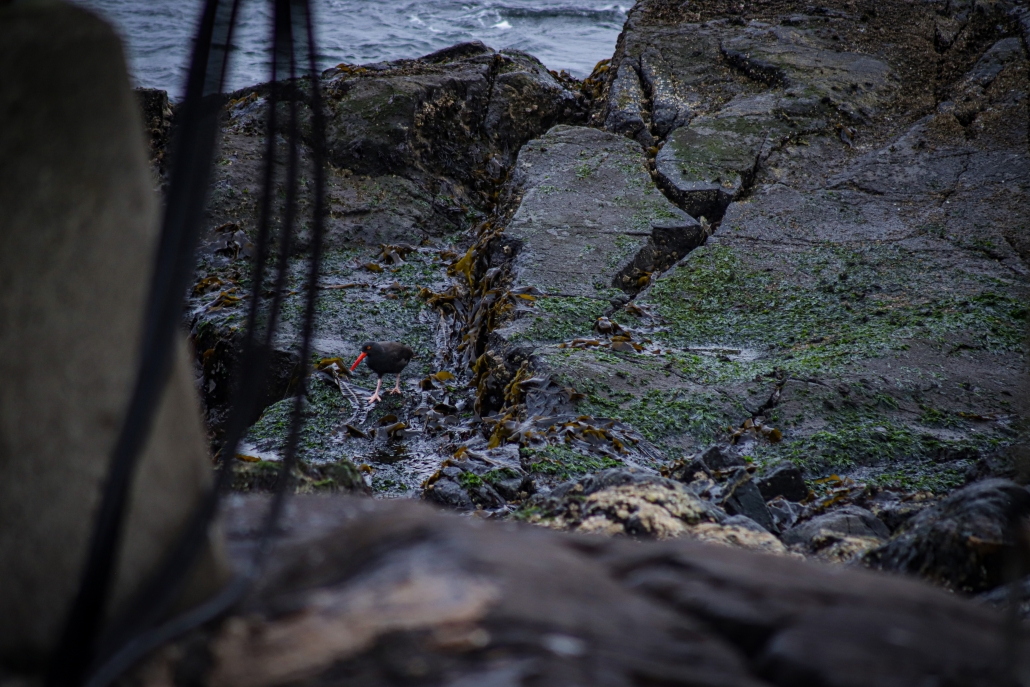
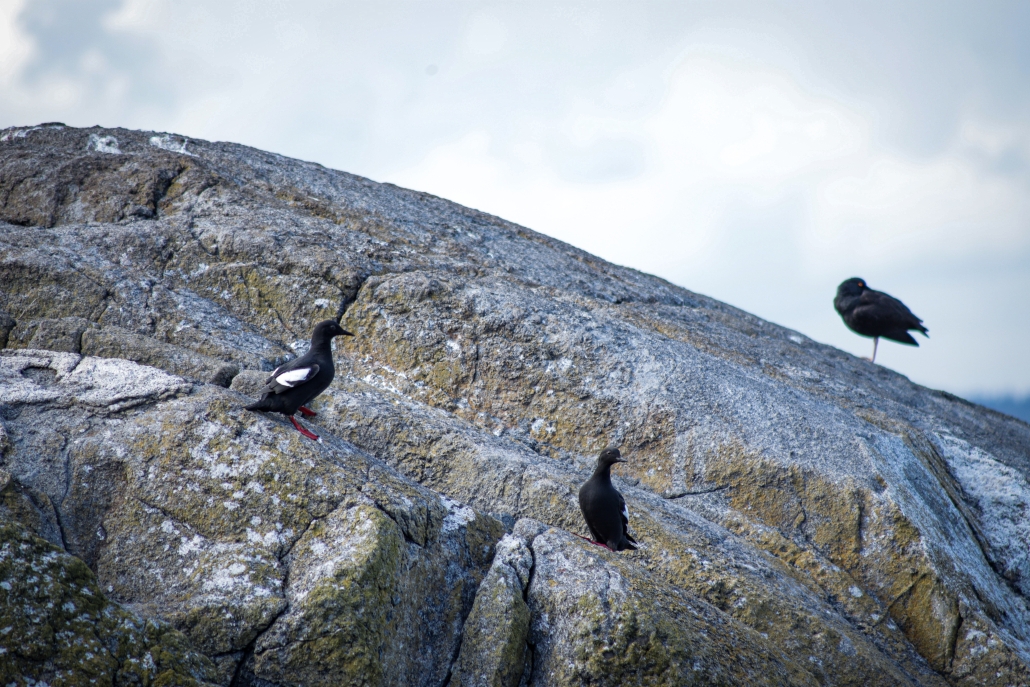
Black Oyster Catchers (A.K.A Derek Sterling's favourite bird) are seen near the waters of the main island. (Abby Francis Photo)
Ollie the sea otter resting on a rock. (Abby Francis Photo)
Pigeon Guillemots at Race Rocks. (Abby Francis Photo)
*All photos and videos were taken at the furthest distance possible from the animals, and have been cropped to improve detail.
The biggest part of Sterling’s job is fixing the fencing around the rock.
“Sea lions are dangerous, but in addition to them being dangerous to us – they’re used to rocks and ledges and beaches. If they come on top of the pier at high tide and the tide goes down and a boat comes in and panics them – they look off the edge of the pier 10ft down, see what they think is deep water but it’s only that [1ft] deep. So it’s [fencing] also there for protecting the animals from getting into places they could hurt themselves,” said Sterling.
While Sterling watches over these grounds from out in the ocean – inland – Indigenous watchmen guardians share a similar environmental role.
From eco guardians to watchmen guardians
Similarly to the eco guardian role – watchmen guardians, like Tla’amin Nation’s guardians Bryce Mckenzie and Andrew Timothy also take water samples, monitor for illegal hunting and or fishing and work closely with a number of authorities such as the Department of Fisheries and Oceans Canada (DFO), conservation officers, and other governing bodies.
Watchmen guardians also do wilderness first aid training, canoe skipper training, and help bring Tla’amin Nation members out into their territory – which they say is always a meaningful experience. Another big part of their job is looking over burial grounds and other archaeology sites. All of this helps Indigenous nations govern their own territories and waters.
While often out in the field, Timothy and Mckenzie are still a part of civilization.
Sterling is alone in relative isolation on Race Rocks, although he gets occasional visitors from students and teachers from Pearson College – the school that runs the eco-guardian program – however, Sterling said he doesn’t get lonely.
Sterling said with how technology is nowadays connecting to friends and family is relatively easy. When he comes to the rock, he likes to fix one thing, and bring one new thing, like a bread machine he brought to the island so that he and other eco guardians can make their own bread. Something else Sterling does in his past time is creating 3D printed objects like model planes, orca skulls, and dinosaur skeleton puzzles for kids.
Explore Race Rocks with this interactive map:
These rocks have history
Eco guardians aren’t the only thing watching over the dozens of marine species at Race Rocks either – Garry Fletcher is the ecological reserve park warden for Race Rocks, he’s also the man operating the Race Rocks website, stringing together observations made by the eco guardians and keeping the history of the area alive.
Fletcher started teaching at Pearson College in 1976, he was a marine science and biology teacher. “There was lots of opportunity at the college to do field work – since my lab was right on the water and we had boat access and could take students out on field trips,” said Fletcher.
“In the first year we went out and met the lightkeepers at Race Rocks – and interestingly enough, the original lighthouse keeper, Trevor Anderson, is still living, he’s over 100.”
“It was he [Trevor Anderson] and his wife who said, ‘you know, there’s really quite unique animal life around here’ and we could see that from our diving that it was really quite, it’s very exceptional compared to other diving places around British Columbia,” said Fletcher.
Curious about Race Rocks’ history? Check out the timeline here:
“So they [Trevor Anderson and his wife] said, ‘you know, why don’t we try to get some official protection for the area.’”
During a dinner party with his wife, Fletcher met with Tom Lee, deputy minister for lands, parks, and housing, who got Fletcher in touch with Bristol Foster, the head of the ecological reserves unit. It was from there that Race Rocks became an ecological reserve, and to this day, remains the only one to have an eco guardian living in it.
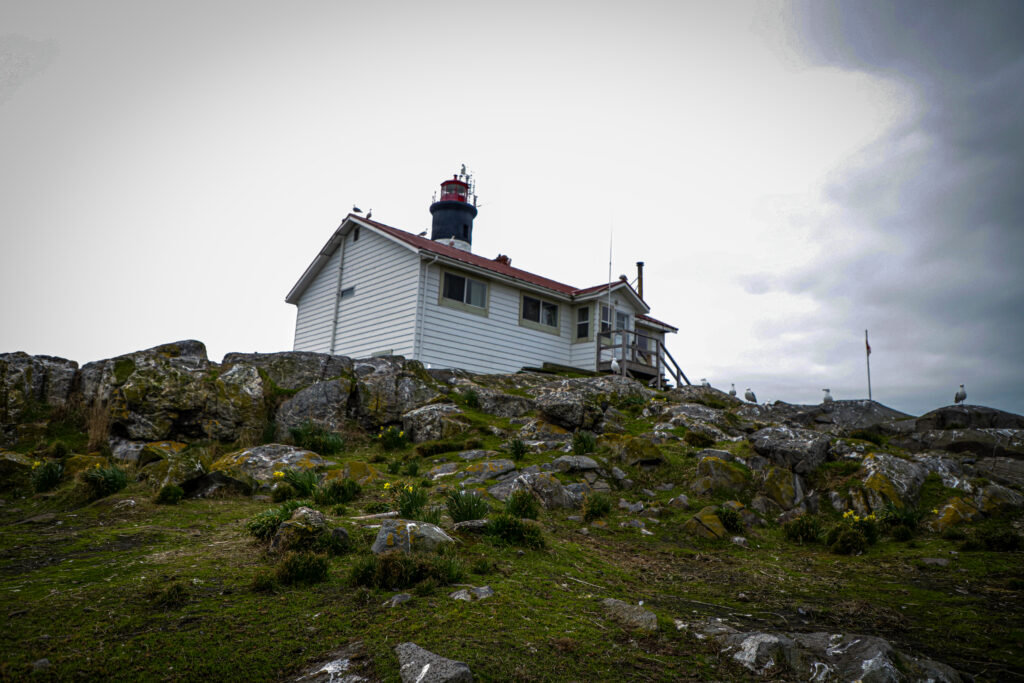
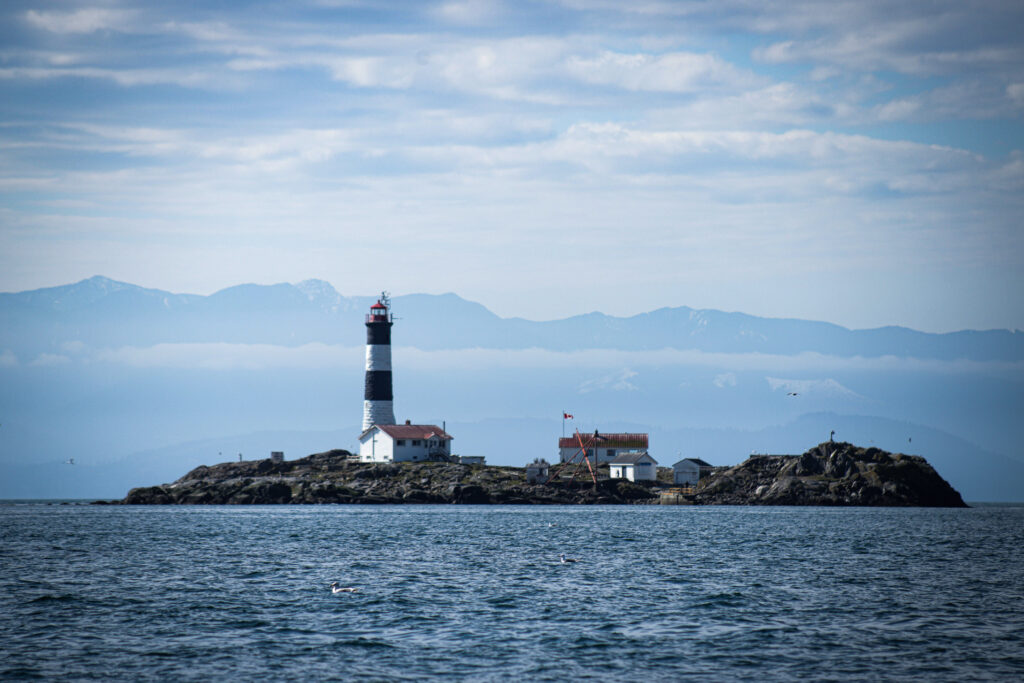
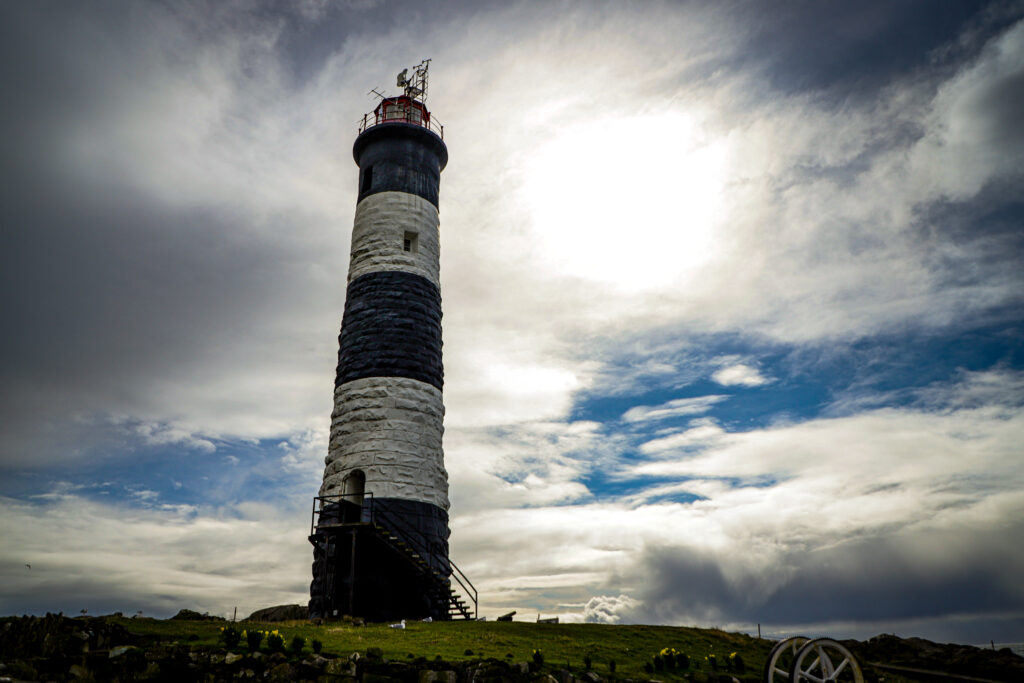
The history at Race Rocks runs deep, even its lighthouse has a story. The Race Rocks lighthouse was officially lit on Boxing Day 1860, Sterling said it’s the second oldest lighthouse on Canada’s west coast. “But that’s more of a technical thing because it was literally built at the same time as Fisgard, but Fisgard was lit three months earlier ‘officially,’” said Sterling.
Sterling also said the lightbulb inside the ‘computer-made’ Fresnel lens is about the same size and strength as a car’s turn signal – about 20 watts. “So, this light is pretty well visible from the entire horizon. You’d think it be one of these quartz-halogen ‘don’t touch it cause it’s gonna burn your fingers off type lamp’ – but it’s not. It’s all done by the Fresnel lens – by focusing it into a narrow beam.”
The lighthouse history doesn’t stop their either
“Even if you go to the Race Rocks website, nobody will agree on where these stones came from,” Sterling said.
Race Rocks is a mix of authorities – with DFO and the coast guard, Parks Canada, and Pearson College. However, Race Rocks is also right next to a military site where there is active underwater demolition training and William Head Penitentiary.
Sterling said that while one would think underwater demolition would have a negative impact on the ecological reserve marine life – the most that happens is the animals being startled and diving off the rocks and into the ocean.
“Sterling keeps coming back to Race Rocks. And while he’s been observing marine life and nature for over 20 years, whether through work in ecotourism or as an eco-guardian. Why does he keep coming back?
“For me, my favourite thing is when something needs doing that I’ve never done before. To learn a new skill while I’m out here is what I embrace, you know all these new things,” said Derek. “When you get to be my age, not that you’ve done everything – but you’ve done most of the things you ever wanted to do. So, having ‘wow I’ve never done this before’ is a pretty big thing to me.”
Want more of Race Rocks? Listen to our radio documentary here: